
Grow Beautiful Desert Rose Plants with Fresh Adenium Seeds
₹499.00₹600.00 (-17%)
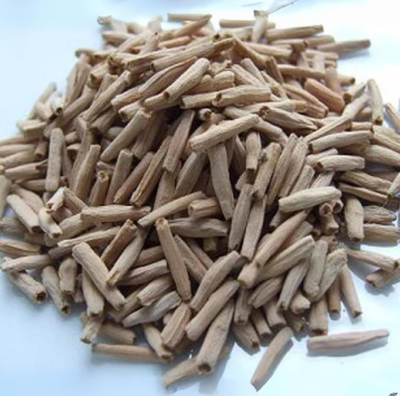
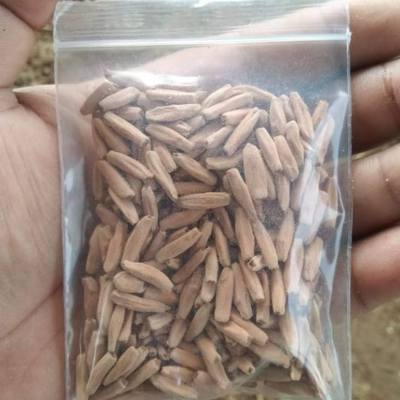
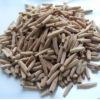
Grow stunning desert rose plants at home with fresh Adenium Seeds. These low maintenance drought tolerant seeds bloom in vibrant colors with minimal care. Perfect for beginners and ideal for pots balcony and indoor spaces.
- Fresh seeds with 85 to 95 percent germination rate
- Germinates in 5 to 10 days
- Low maintenance and drought tolerant
- Blooms in pink red and white shades
- Perfect for indoor outdoor and balcony gardens
- Easy to grow for all skill levels
- Moisture proof sealed pack of 100 seeds at 300 Rs
Adenium Seeds to Grow Low Maintenance Beautiful Flowering Plants
Adenium seeds are one of the best choices for gardeners who want beautiful flowering plants without spending too much time on maintenance. These hardy and drought tolerant plants are known for their thick caudex base and stunning trumpet shaped flowers that bloom in shades of pink, red, white, and multicolor. Our Adenium seeds are freshly harvested and carefully selected to ensure high germination rates. Whether you want to grow them in pots on your balcony, indoors near a sunny window, or in your garden, Adenium plants adapt easily to different environments and reward you with continuous blooms throughout the season.
Why Choose Our Adenium Seeds
- High germination rate seeds freshly packed for best results
- Low maintenance plants perfect for busy gardeners
- Suitable for indoor and outdoor growing
- Drought tolerant and heat resistant varieties
- Beautiful blooms in multiple colors
- Ideal for pot and container gardening
- Great for bonsai style caudex plant lovers
- Suitable for all skill levels from beginners to experts
Types of Adenium Seeds
Standard / Regular Seeds – The most common type. Produces simple pink or red flowers. Ideal for beginners. Widely available, affordable, and germination is reliable if seeds are fresh.
Hybrid Seeds – Created by cross-pollinating two different varieties. Produces unusual or unexpected colors such as striped, multicolored, or patterned petals. Exciting results but slightly unpredictable.
Double Petal Seeds – Seeds from double-petal parent plants. Flowers may resemble roses with multiple layers of petals. Seed results are not 100% guaranteed, some seedlings may revert to single petals.
Named Variety Seeds – Seeds from specific cultivars like Black Giant, Crimson Star, or Galaxy. Available from specialty sellers. Higher price but more predictable in color and flower form.
Multicolor / Grafted Type – Not technically a seed type. These are grafted plants with two or more varieties on a single rootstock. Double-grafted plants can display multiple flower colors simultaneously. This cannot be reproduced from seeds.
Obesum Species – The most common species in India, Adenium obesum. Robust, easy to grow, and adapts well to Indian climates. Most seeds sold in India are from this species.
What Color Flowers Do Adenium Seeds Produce
Adenium plants grown from seeds can produce a wide range of flower colors, but not all colors are equally common. Most seedlings follow natural color patterns, while rare shades usually come from hybrid varieties. Here is a simple breakdown of how common each color is:
- Pink Most Common – The most natural and widely seen flower color. Most adenium seeds produce pink blooms.
- Red or Deep Red Very Common – Bright and bold shades that are also frequently seen in seed-grown plants.
- White or Pale Pink Moderate – Softer tones that appear regularly but are less common than pink and red.
- Orange or Peach Rare – Less common colors, usually found in hybrid seeds.
- Bi color or Striped Very Rare – Unique patterns with two colors or stripes, mostly from hybrid varieties.
- Purple or Lavender Extremely Rare – Among the rarest shades, highly valued and difficult to achieve from seeds.
Most adenium seeds naturally produce pink or reddish flowers, as these are the original colors found in wild adenium plants. White shades are also fairly common. If you want rare colors, choosing hybrid seeds from a trusted seller can improve your chances, but exact flower color is never fully guaranteed when growing from seeds.
How to Grow Adenium from Seeds
Step 1 : Soak the seeds in lukewarm water for 2 to 4 hours before planting
Step 2 : Fill a pot with well draining sandy or cactus mix soil
Step 3 : Place the seeds on top of the soil and cover lightly with a thin layer of soil
Step 4 : Water gently and place the pot in a warm and sunny spot
Step 5 : Maintain temperature between 25 to 35 degrees Celsius for best germination
Step 6 : Seeds will germinate within 5 to 10 days with proper care
Step 7 : Water only when the soil is completely dry to avoid root rot
Step 8 : Repot the seedlings once they develop a strong root system
Growing Tips
- Always use well draining soil to prevent waterlogging
- Place the plant in a spot that receives at least 6 hours of direct sunlight daily
- Water sparingly as Adenium plants are drought tolerant
- Feed with a balanced fertilizer once a month during the growing season
- Avoid overwatering as it can cause root rot
- Prune occasionally to encourage bushy growth and more blooms
Ideal For
- Home gardeners looking for low maintenance plants
- Balcony and terrace garden lovers
- Succulent and cactus plant collectors
- Bonsai and caudex plant enthusiasts
- Anyone who loves exotic and tropical flowering plants
- Perfect as a gift for plant lovers
Best Seasons for Planting Adenium Seeds in India
- March to May (Best)– This is the ideal time to plant Adenium seeds. Warm temperatures help seeds germinate quickly, usually within 3 to 5 days. Perfect for beginners and best results.
- June to August (Good)– Seeds grow well due to heat and humidity. Just be careful with excess rain. Avoid waterlogging by using well-draining soil and keeping pots in a covered area.
- September to October (Okay)– Germination is still possible, but slightly slower due to cooling temperatures. Seeds may take around 7 to 10 days to sprout. Works better in warmer regions.
- November to February (Avoid )– Not recommended, especially in North India. Low temperatures can slow or stop germination and may cause fungal issues. Possible only in warm indoor conditions.
Reviews
There are no reviews yet.